

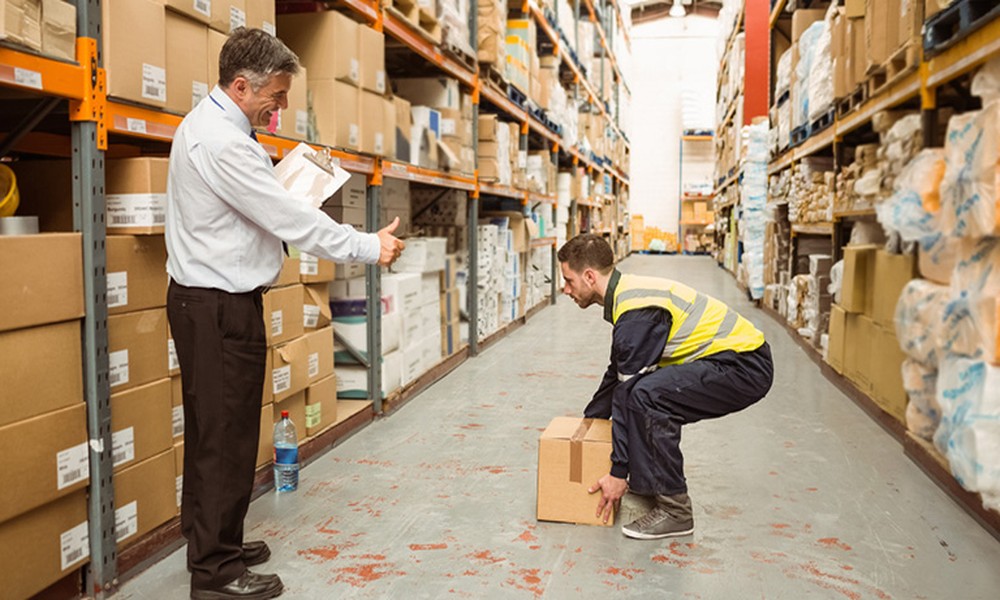
People handling course and patient moving refer to the techniques and procedures used by healthcare workers to safely lift, transfer, reposition, or support patients during daily care. Understanding what manual handling is matters because incorrect techniques are among the leading causes of workplace injury in healthcare settings. Proper training protects both staff and patients, reduces costs from injury-related absences, and ensures compliance with occupational health regulations. This guide explains the fundamentals, benefits, and best practices for anyone working in care environments.
Quick Answer Section
Manual handling is the process of lifting, supporting, or moving a person or object using physical effort. In healthcare, patient moving involves techniques like transfers, repositioning, and mobility assistance. Benefits include reduced injury risk, improved patient comfort, and regulatory compliance. It matters because poor technique causes long-term musculoskeletal damage to caregivers.
People handling course encompasses any activity requiring a person to lift, push, pull, carry, or otherwise move a load using bodily force. In a healthcare context, the “load” is often a patient with limited mobility, making the task more complex than handling inanimate objects.
These techniques work by applying principles of body mechanics, leverage, and equipment use (such as hoists or slide sheets) to minimize strain on both the caregiver and the patient. Correct posture, planning the move before starting, and using assistive devices where appropriate are central to safe practice.
This topic matters because musculoskeletal injuries remain one of the most common occupational health issues in care settings. For the industry, manual handling training is not optional; it is a core requirement embedded in health and safety legislation across most jurisdictions, including Ireland.
Key Benefits of Manual Handling and Patient Moving Training
- Reduced injury risk for staff – Proper technique lowers the likelihood of back, shoulder, and joint injuries, meaning fewer sick days and lower staff turnover.
- Improved patient safety and dignity – Patients are moved smoothly and comfortably, reducing the risk of falls, bruising, or distress during transfers.
- Legal and regulatory compliance – Employers meet health and safety obligations, avoiding penalties and demonstrating duty of care to inspectors and auditors.
- Lower organizational costs – Fewer workplace injuries translate to reduced insurance claims, compensation payouts, and temporary staffing expenses.
- Greater staff confidence – Trained employees feel more capable handling challenging situations, which improves morale and job satisfaction.
- Better use of equipment – Staff learn to correctly operate hoists, slide sheets, and transfer boards, extending equipment lifespan and improving efficiency.
- Consistency across teams – Standardized techniques mean all staff follow the same safe practices, reducing confusion during shift handovers.
Step-by-Step Process
- Assess the situation – Before any move, evaluate the patient’s mobility, weight, and any specific health considerations.
- Plan the technique – Decide which method or equipment (hoist, slide sheet, transfer belt) suits the situation best.
- Prepare the environment – Clear obstacles, adjust bed or chair height, and ensure enough space to move safely.
- Communicate with the patient – Explain each step so the patient understands and can assist where possible.
- Execute the move using correct body mechanics – Keep the load close to the body, bend knees rather than the back, and avoid twisting movements.
Important Statistics and Industry Insights
Musculoskeletal disorders continue to be reported as one of the most common work-related health complaints among healthcare and care workers across Europe. Many occupational health bodies note that manual handling-related injuries account for a significant proportion of lost working days in the care sector. There has also been a growing trend toward investment in mechanical lifting aids, alongside refresher training programs, as organizations recognize that one-off training is insufficient for long-term injury prevention. Increasingly, care providers are integrating manual handling refreshers into annual mandatory training schedules rather than treating it as a one-time certification.
Common Mistakes to Avoid
- Skipping the assessment step – Rushing into a move without assessing the patient’s needs increases the risk of injury to both parties; always take a moment to plan.
- Using back strength instead of leg strength – Bending at the waist rather than the knees places excessive strain on the spine; proper posture training corrects this habit.
- Twisting while lifting – Combining lifting with rotation is a major cause of back injuries; staff should turn their feet rather than twist their torso.
- Not using available equipment – Attempting manual lifts when a hoist or slide sheet is available increases unnecessary risk; equipment should be used whenever appropriate.
- Failing to communicate with the patient – Moving a patient without explanation can cause anxiety and resistance, making the task harder and less safe.
Expert Recommendations
Best practice includes treating manual handling training as an ongoing process rather than a single certificate. Refresher courses every one to two years help reinforce correct technique and address any habits that may have drifted over time. Organizations should also ensure equipment is regularly maintained and accessible, and that staff feel empowered to request assistance for difficult moves. Embedding manual handling principles into daily routines, rather than treating them as separate from regular duties, leads to better long-term outcomes for both staff wellbeing and patient care quality.
Frequently Asked Questions
What is manual handling?
Manual handling is any task involving lifting, carrying, pushing, pulling, or moving a load using physical force, including moving patients in healthcare settings.
Why is patient moving training important?
It reduces injury risk for caregivers, improves patient safety and comfort, and helps organizations meet legal health and safety requirements.
How often should manual handling training be renewed?
Most organizations recommend refresher training every one to two years, though requirements can vary by employer and role.
What equipment is commonly used in patient moving?
Common equipment includes hoists, slide sheets, transfer belts, and adjustable beds, all designed to reduce physical strain during transfers.
Who needs manual handling training?
Anyone whose role involves lifting or moving patients, including nurses, healthcare assistants, care home staff, and home care workers.
Can poor manual handling cause long-term injury?
Yes, repeated incorrect lifting techniques can lead to chronic musculoskeletal conditions, particularly affecting the back, shoulders, and knees.
Is manual handling training a legal requirement?
In many jurisdictions, including Ireland, employers are legally required to provide manual handling training to staff who perform lifting tasks as part of their role.
What is the difference between manual handling and patient handling?
Manual handling is a broad term covering any load-moving task, while patient handling specifically refers to moving people, which requires additional consideration for comfort, dignity, and safety.
Does manual handling training cover one-person and two-person techniques?
Yes, comprehensive courses typically cover both single-handler and team-based techniques depending on the patient’s needs and available support.
How does manual handling training benefit patients directly?
It results in smoother, more comfortable transfers, reduced risk of falls or skin injuries, and greater dignity during care interactions.
Conclusion
Manual handling and patient moving are foundational skills for anyone working in healthcare or care settings. The main takeaway is that correct technique protects both caregivers and patients, reduces injury-related costs, and supports compliance with health and safety standards. Practical advice includes treating training as an ongoing commitment, using available equipment, and communicating clearly with patients during every move. Looking ahead, the sector is likely to continue emphasizing regular refresher training and better equipment access as part of a broader focus on workplace wellbeing and care quality.
