Securing your Commercial Driver’s License can open doors to stable, well-paying careers, but getting there takes more than just showing up for the test. For many, the difference between passing on the first try and facing costly delays is all about focused preparation.
Why Getting Your CDL Permit and Road Test Right Matters
Nobody forgets the moment they pass their CDL road test. It’s more than a piece of plastic, it’s an entry ticket to an industry that moves the country. The right preparation not only means passing, but also building the confidence to handle a commercial vehicle safely every day.
Real Stories: How Proper Preparation Changed Drivers’ Careers
Jordan, a DTR School of Trucking graduate, recalls walking into his first trucking job interview already knowing how to back into tight docks and manage pre-trip inspections. Bill, another alum, credits the intense but supportive drill sessions for giving him a leg up over other new drivers. Their stories echo a simple truth: solid groundwork rewrites futures.
The Risks of Skipping or Underestimating Preparation
On the flip side, rushing through the process can bring harsh setbacks. Test failures can mean missed job opportunities and added expenses. Even worse, entering the field without strong fundamentals can lead to accidents or early burnout. The investment in full, intentional preparation pays off long after the test day jitters have faded.
Understanding the CDL Permit and Road Test Requirements
Getting your CDL is about more than just driving a truck. It starts with understanding the permits, eligibility, and what the tests will really throw at you.
Breaking Down the CDL Classes: A, B, and Restrictions
CDL Class A covers driving tractor-trailers and large combination vehicles. Class B is for straight trucks, buses, and smaller rigs. Some drivers need to remove certain restrictions for more job flexibility, a process DTR School of Trucking also supports.
Key Eligibility Criteria and Necessary Documentation
Most programs only require a valid driver’s license to begin. Financial aid seekers might need a high school diploma or GED, but otherwise, the barriers to entry are surprisingly low. Veterans and those with prior convictions often find trucking one of the most accessible new starts.
What the Written Permit Test Covers: Topics and Format
Expect questions on vehicle inspection, safe driving rules, cargo handling, and air brakes, among others. The test uses multiple-choice questions, sometimes with scenario-based problems to test real-world knowledge.
Case Study: John’s Journey to Passing the CDL Permit Test
John came to DTR with no trucking experience and plenty of nerves.
Initial Challenges and Study Strategies
At first, technical jargon and complicated diagrams threw him off. He began breaking up study sessions into focused blocks, using practice quizzes after each topic.
Resources That Made a Difference
John relied on the DTR Trucking Mastery System and ELDT online courses, which translated dense legalese into plain English. The DTR CDL permit resource became his go-to for clarifying tough sections.
Lessons Learned for Future Test Takers
John’s advice? Don’t cram. Spread study over a few weeks, and leverage every practice test you can.
Mastering the Written Permit Test
Effective Study Techniques Tailored to the CDL Exam
Chunk information by topics: focus on air brakes one day, hazardous materials the next. Teach-back methods, explaining answers aloud, can help cement tricky concepts.
Recommended Study Materials and Practice Tests
Official state manuals are a must. Supplement with reputable online tests and any school-provided guides, especially those tailored to your state’s exact exam.
Overcoming Test Anxiety and Time Management Tips
Simulate real test conditions with timed quizzes. On exam day, take deep breaths and tackle the questions you’re most confident about first, circling back to the harder ones.
Building Confidence for the Road Test Through Hands-On Training
Nothing replaces real experience behind the wheel.
Why Behind-the-Wheel Practice Is Crucial
Repeated practice makes safety behaviors second nature. Getting comfortable with shifting, parallel parking, and pre-trip inspections is only possible in a truck, not a classroom.
Simulated Scenarios to Expect During the Test
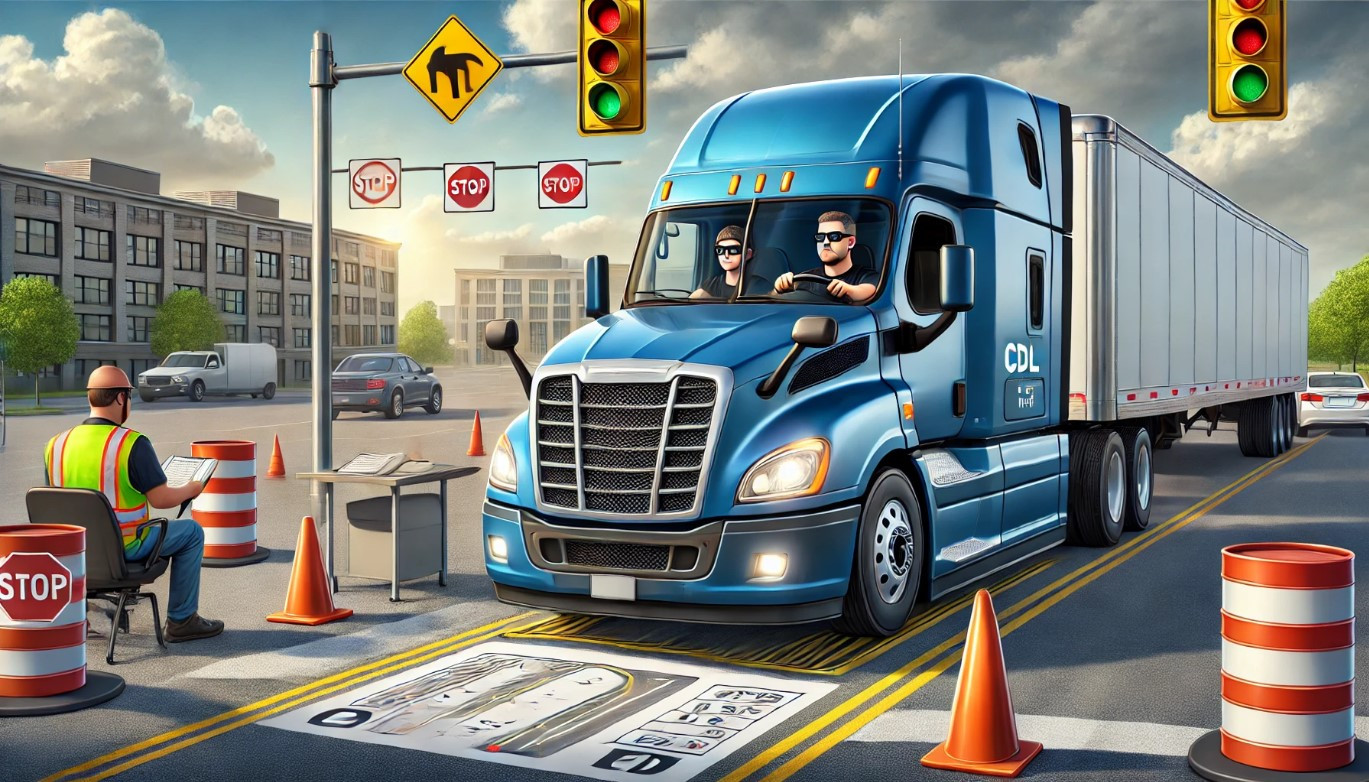
Expect to demonstrate lane changes, emergency stops, and backing maneuvers. Practice in daylight, at night, and in different weather if possible.
How Professional Instruction Accelerates Skill Development
Experienced instructors break down each task, give personalized feedback, and spot bad habits before they become safety risks.
Case Study: Maria’s Success with Behind-the-Wheel Training
Maria worked full-time while training, scheduling her practice sessions in the evenings.
Scheduling and Coordinating Training with Work Commitments
Flexible programs allowed her to train without quitting her day job, using weekends and evenings to build up hours.
Personalized Feedback and Improvement Areas
Constructive feedback from instructors highlighted areas to improve, like shifting technique and mirror checks.
The Moment She Passed and What It Took
Maria credits her success to consistent practice and taking instructor notes seriously, leading to a confident, controlled performance on test day.
Day of the Road Test: Preparation and Mindset
Show up early, rested, and ready. Pack every document you need, license, permit, medical card, training certificate, and confirm nothing is missing. Mentally, treat the test as another practice run. Stay focused on one maneuver at a time, and don’t dwell on small mistakes.
Beyond the Test: Launching Your Career with Confidence
A CDL is only the beginning. Schools like DTR not only train you to pass but often offer job placement to help you get started fast. Even after landing that first job, committing to ongoing learning keeps your skills sharp and opens doors to new opportunities.
Whether you’re just starting or gearing up for your road test, preparation is your most powerful tool. With the right mindset and resources, you can turn a CDL permit into a successful, lasting career.